How long is norovirus contagious? You're most infectious while you're being sick or have diarrhoea, and you can still pass it on after the symptoms stop. That's why the NHS asks you to stay off work, school or nursery until you haven't been sick or had diarrhoea for 2 days.
Norovirus, often called the winter vomiting bug, comes on suddenly and spreads quickly wherever people share space: open-plan offices, schools, nurseries, trains and family homes. Around London Bridge, with thousands of commuters passing through every day, it moves fast once the colder months arrive.
This guide covers how long it lasts, the 48-hour rule and why it matters, what helps you recover, how to stop it spreading at home, and when it's time to get help. Qrystal Pharmacy is at 301 Borough High Street, a couple of minutes from Borough station, and you can ask our pharmacists for advice at any time without an appointment.
How long is norovirus contagious?
The honest answer is: for longer than you feel ill.
You're at your most infectious while you're actually being sick or have diarrhoea, because that's when the virus is leaving your body in large amounts. But it doesn't stop the moment you feel better. People can carry on passing it on for a while afterwards, and the virus can also survive on surfaces, door handles and shared items.
That's the reasoning behind the 48-hour rule. The NHS advice on norovirus is clear:
- Don't go to work, school or nursery until you haven't been sick or had diarrhoea for 2 days.
- Don't visit hospitals or care homes during that time either, even if you feel fine. Norovirus outbreaks there can be serious for people who are already unwell or frail.
The 2 days count from your last episode of vomiting or diarrhoea, not from when the illness started.
What the symptoms look like
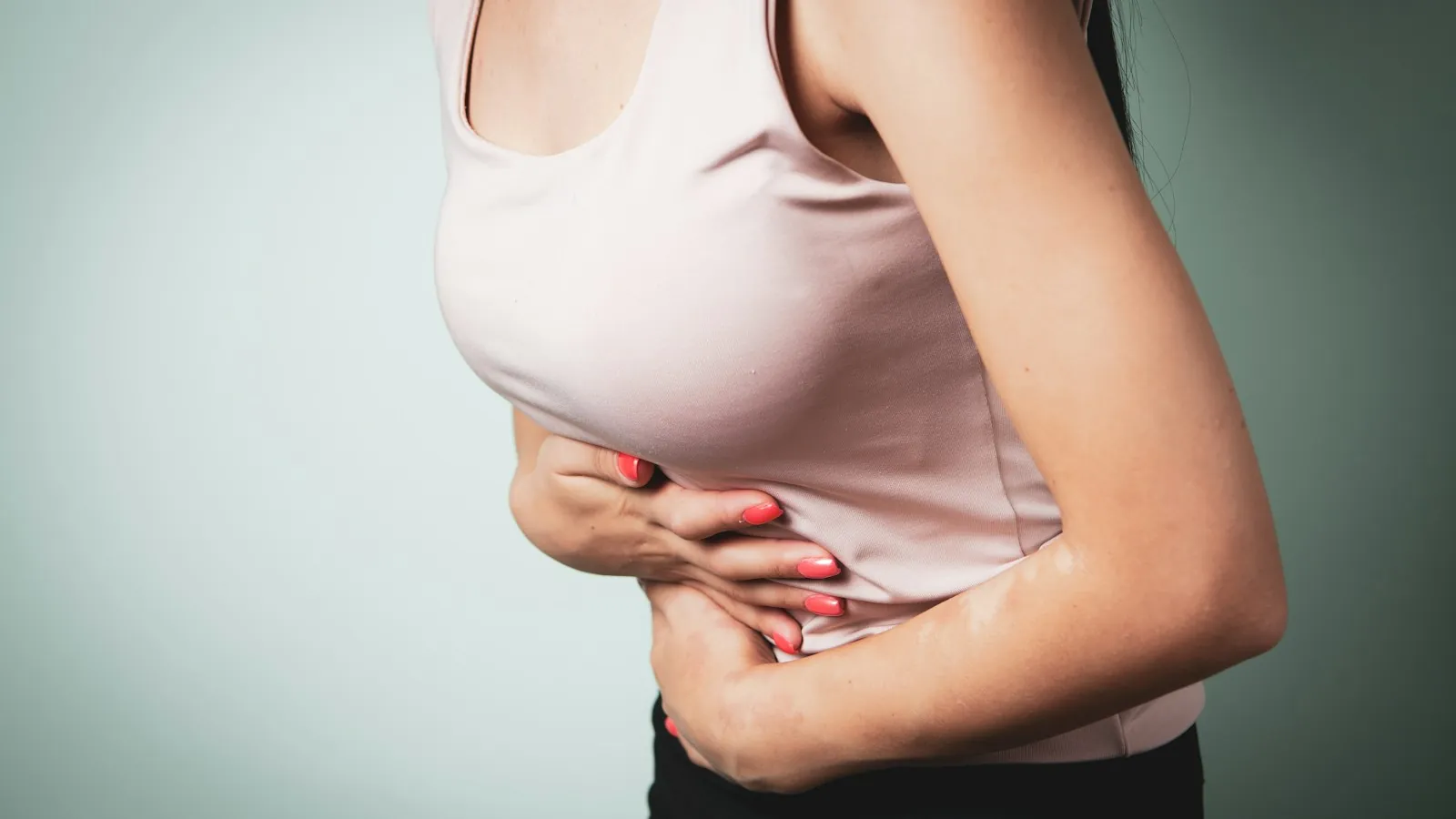
Norovirus usually starts suddenly. The main symptoms are:
- Feeling sick (nausea)
- Being sick (vomiting), often forcefully
- Diarrhoea
Some people also get:
- A high temperature
- A headache
- Tummy pain or cramps
- Aching arms and legs
It usually gets better in about 2 days, and most people start to feel better within 2 to 3 days. Feeling washed out and off your food for a few days after that is normal.
Is it norovirus or food poisoning?
The symptoms overlap, and you don't need to know which it is to look after yourself. A few clues point towards norovirus: several people in the same office, school or household getting ill one after another, a sudden start with a lot of vomiting, and recovery in a couple of days. The self-care advice below is the same either way. If symptoms carry on for longer than the times in the "when to get help" section, get checked.
Going back to work: the 48-hour rule in practice
This is the bit people struggle with. You feel better on day three, you've got a deadline, and the office is a short walk from London Bridge. It's tempting to go in.
Please don't, at least not until the 48 hours are up. Shared kitchens, lift buttons, keyboards and meeting rooms are exactly how norovirus moves through a workplace, and one person coming back too early can take out half a team. If you can work from home, that's the time to do it.
A few practical points:
- Tell your manager what it is. Many employers have their own sickness policy for stomach bugs.
- When you're back, wash your hands with soap and water often, and avoid preparing food for colleagues for a few more days.
- Food handlers and healthcare staff may have stricter rules from their employer. Check with them before returning.
For children, the same 2-day rule applies to school and nursery. Our guide to workplace wellness for More London employees has more on looking after yourself at work over the winter.
What helps you recover
There's no medicine that cures norovirus. Your body clears it on its own, and the aim is to stay comfortable and avoid getting dehydrated while it does.
The NHS recommends:
- Drink plenty of fluids. Water is best. Little and often is easier than large amounts if you're being sick. Avoid fruit juice and fizzy drinks, which can make diarrhoea worse.
- Rest. Stay at home and get as much rest as you can.
- Eat when you feel able to. Plain foods are usually easiest at first. You don't need to force yourself to eat.
- Take paracetamol if you're uncomfortable, following the dose on the pack.
- Keep babies feeding. Carry on breastfeeding or giving bottle feeds.
How a pharmacist can help
You don't need an appointment to ask our pharmacists about a stomach bug, and the advice is free. We can:
- Check for signs of dehydration and tell you whether you need to be seen.
- Recommend oral rehydration sachets, which replace the salts and sugar you lose through vomiting and diarrhoea. These are particularly useful for older people and anyone with a long-term condition.
- Advise on medicines to stop diarrhoea if you need to for a few hours, for example to travel home. These aren't suitable for everyone, and they should not be given to children under 12.
The NHS suggests speaking to a pharmacist if you're showing signs of dehydration, if you're older or have a weakened immune system, or if you need to stop diarrhoea for a few hours.
If you're unwell, it's fine to send a friend or family member in for you. That's kinder to everyone else in the queue, too.
How to stop norovirus spreading at home
Norovirus spreads through tiny amounts of vomit or poo getting onto hands, surfaces and food. Once one person in a household has it, a few simple steps make a big difference:
- Wash your hands with soap and warm water, especially after using the toilet and before eating. Alcohol hand gels don't kill norovirus, so they're no substitute.
- Clean surfaces such as toilet seats, flush handles, taps and door handles with a bleach-based household cleaner.
- Wash contaminated clothing and bedding separately on a hot wash.
- Don't share towels or flannels.
- Don't prepare food for other people while you're ill, and for 2 days after your symptoms stop if you can avoid it.
If you share a flat, as many people around Borough and Bermondsey do, agree who cleans the bathroom and keep the person who's ill to one toilet if possible.
When to get help
Most people with norovirus get better at home. Sometimes it needs more.
Get urgent advice from NHS 111 if:
- A baby under 12 months has diarrhoea or vomiting
- A child under 5 has signs of dehydration, such as fewer wet nappies
- A baby or child stops breastfeeding or bottle feeding while they're ill
- Someone aged 5 or over is still dehydrated after using oral rehydration sachets
- You or your child keep being sick and can't keep fluids down
- There's bloody diarrhoea or bleeding from the bottom
- Diarrhoea has lasted more than 7 days, or vomiting more than 2 days
Call 999 or go to A&E if you or your child:
- Is vomiting blood, or vomit that looks like ground coffee
- Has green vomit (adults)
- Might have swallowed something poisonous
- Has a stiff neck and pain when looking at bright lights
- Has a sudden, severe headache or severe tummy pain
- Has blue, grey or very pale skin, lips or tongue
- Is struggling to breathe, or is confused or very drowsy
Our guide to emergency healthcare near Borough explains where to go for different levels of urgency around SE1.
Getting through the winter near London Bridge
Norovirus is one of a handful of winter illnesses that do the rounds every year in central London. You can't vaccinate against it, but good handwashing and staying home for those 48 hours protect the people around you.
The other big winter illnesses are a different story. If you're eligible, a flu vaccination is the single most useful thing you can do before winter sets in, and our guide to getting a walk-in flu jab near London Bridge explains how. For everything else, from colds to keeping long-term conditions on track, see staying healthy this winter.
Ask us at 301 Borough High Street
We're a short walk from most of Borough, London Bridge and Bankside:
- Borough Underground (Northern line): about 2 minutes' walk
- London Bridge (Northern & Jubilee lines, National Rail): about 8 minutes
You can walk in for advice on a stomach bug at any time we're open, or book an appointment for other services. If you're still unwell, remember the 48 hours, and send someone else to collect what you need.
This guide is general information, not a diagnosis. It was checked against the NHS norovirus page on 4 November 2026. If you're worried about yourself or someone else, speak to a pharmacist, your GP or NHS 111.