
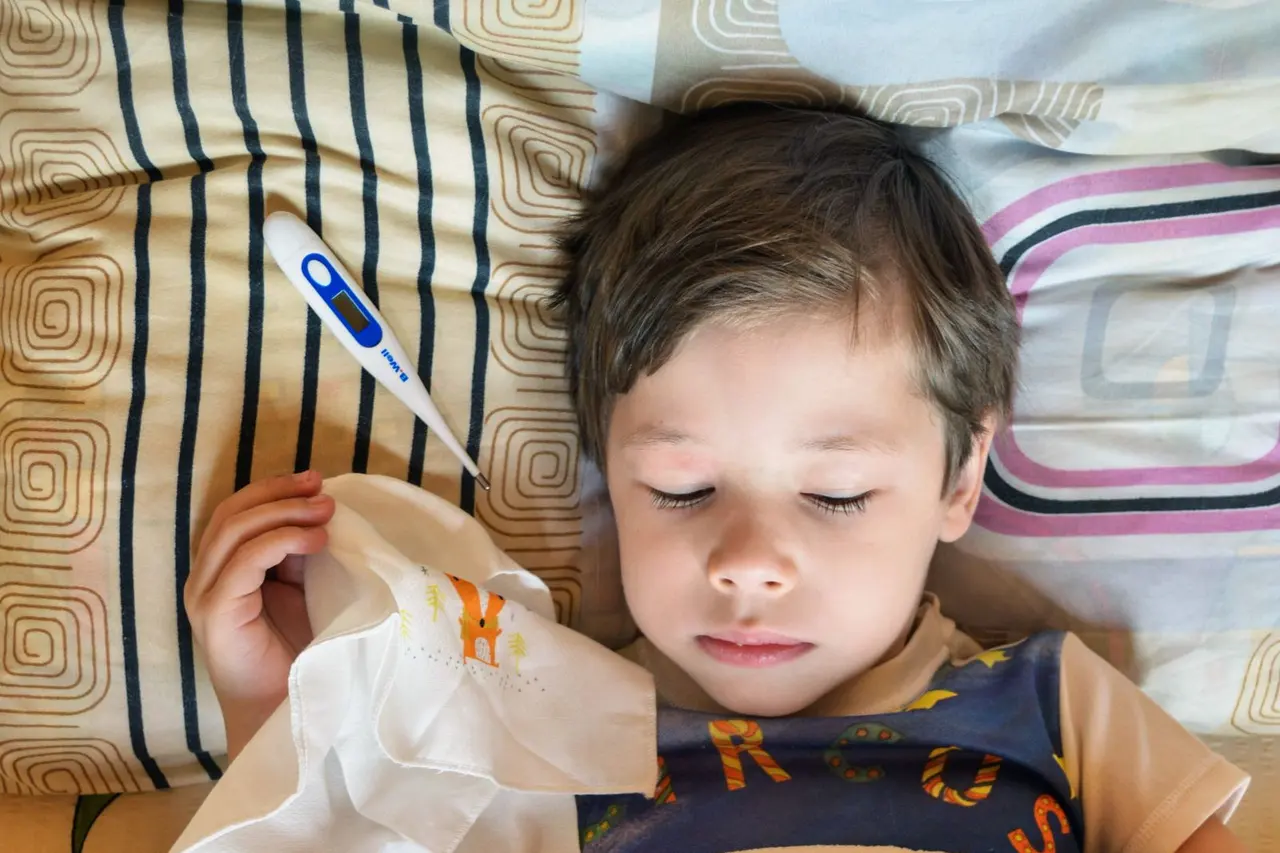
Can my child go to school with chickenpox? No. The NHS advises keeping children off school or nursery until all the spots have formed a scab, which is usually about 5 days after the spots first appeared. Once every spot has crusted over, your child is no longer infectious and can go back, even if the scabs haven't fallen off yet.
Unlike conjunctivitis or a mild cold, chickenpox is one of the few common childhood illnesses where staying home really does matter. It spreads very easily through a classroom, and it can be serious for babies, pregnant people and anyone with a weakened immune system. This guide covers how long to stay off, how to make your child more comfortable, who to keep them away from, the warning signs to watch for, and the NHS chickenpox vaccine that started in 2026.
Qrystal Pharmacy is at 301 Borough High Street, a couple of minutes from Borough station. If you're not sure whether it's chickenpox, or want advice on easing the itch, you can walk in and ask one of our pharmacists, with no appointment needed.
Can my child go to school with chickenpox?
There are two pieces of guidance, and they say the same thing in slightly different ways:
- The NHS chickenpox page says to stay off school, nursery or work until all the spots have formed a scab, usually 5 days after the spots first appeared.
- The UK Health Security Agency's exclusion periods for schools and childcare say infected children should stay away until 5 days after the rash first appears.
In practice, count 5 days from the first spot, then check that every spot has crusted over. If new blisters are still appearing on day 5, keep your child at home a little longer. Scabs that are dry and crusted aren't infectious, so you don't need to wait for them to drop off.
It's worth letting the school or nursery know. They may warn other parents, particularly anyone who is pregnant or whose child has a weakened immune system.
How chickenpox spreads, and why timing matters
Chickenpox is caused by the varicella-zoster virus. According to the NHS, it's contagious from 2 days before the spots appear until they have all scabbed over. That's why it so often seems to sweep through a class or a household: a child can pass it on before anyone knows they have it.
Symptoms usually start with a high temperature, aches, feeling generally unwell and going off food, followed by an itchy, spotty rash. The spots go through three stages: small raised spots, then fluid-filled blisters, then scabs. New spots can keep appearing for a few days, so you'll often see all three stages at once.
If your child has had chickenpox before, it's very unlikely they'll catch it again. The virus does stay in the body, though, and can come back later in life as shingles. Our guide to why the first 72 hours of shingles matter explains more.
What helps at home
Chickenpox usually gets better on its own within a week or two. The aim is to keep your child comfortable and stop them scratching. The NHS suggests:
- Plenty of fluids. Ice lollies count if they won't drink.
- Paracetamol for pain and discomfort, at the right dose for their age.
- Cooling creams or gels from a pharmacy.
- Cool baths, then pat the skin dry rather than rubbing.
- Loose, cotton clothing.
- Short nails, and socks over their hands at night to stop scratching in their sleep.
How a pharmacist can help
Chickenpox isn't one of the NHS Pharmacy First conditions, but a pharmacist is still a good first stop. At the pharmacy we can:
- Help confirm whether it looks like chickenpox, or something else
- Suggest cooling gels or creams for the itch
- Recommend an antihistamine to help with itching, if it's suitable for your child's age
- Check the right paracetamol dose for your child's age and weight
- Tell you when your child needs a GP or 111 instead
For adults, and for some people at higher risk, the NHS notes that antiviral medicine may help prevent complications, but it needs to be started within 24 hours of the spots appearing. If you're an adult with chickenpox, or have a weakened immune system, contact your GP or 111 quickly rather than waiting.
Who to keep your child away from
Chickenpox is usually mild in children, but it can be much more serious for some people. The NHS advises keeping anyone with chickenpox away from:
- Newborn babies
- Anyone who is pregnant
- Anyone with a weakened immune system, for example from cancer treatment or steroid tablets
If someone in one of these groups has been near your child while they were infectious, they should get advice from NHS 111 or their GP, ideally the same day. The same applies if a newborn baby has chickenpox or has been near someone with it.
Around London Bridge, where plenty of parents work near Guy's and St Thomas' or juggle nursery pick-ups with the commute, it's worth thinking about who your child might see in those 5 days, including grandparents and friends with young babies.
When to get urgent help
Call NHS 111 or use 111 online straight away if:
- The skin around the blisters becomes red, hot or painful, which can be a sign of infection
- Your child shows signs of dehydration, such as fewer wet nappies, dark urine or not drinking
- Your child is more short of breath than usual
- You're pregnant or have a weakened immune system and have been near someone with chickenpox
Call 111 for a child under 5 if you're worried about them, even if they don't fit neatly into one of these points. In an emergency, call 999.
The new NHS chickenpox vaccine
Since 1 January 2026, the NHS childhood schedule has included chickenpox protection for the first time, through the combined MMRV vaccine (measles, mumps, rubella and varicella). The UKHSA guide to MMRV explains who's offered what:
- Children born on or after 1 January 2025 get MMRV at 12 months and 18 months.
- Slightly older children born between September 2022 and December 2024 are offered MMRV at their 18-month or pre-school appointment instead of a second MMR.
- A catch-up programme runs from 1 November 2026 to 31 March 2028 for children born between 1 January 2020 and 31 August 2022 who haven't had chickenpox. They're offered a single dose of MMRV, and your GP practice will invite you.
If you think your child is eligible and you haven't heard anything, contact your GP practice. Children who have already had chickenpox can still safely have MMRV.
Ask us about chickenpox
- Visit: 301 Borough High Street, London SE1 1JH, about 2 minutes from Borough station and 8 minutes from London Bridge. Walk in, no appointment needed.
- Contact us if you have a question first
- Book a consultation if you'd prefer a set time
If school illnesses are doing the rounds in your house this term, our guides to conjunctivitis and the school rules and impetigo and the school rules cover the other questions parents ask us most.
This guide is general information, not a diagnosis. It was checked against the NHS chickenpox page, UKHSA exclusion periods for schools and childcare settings, and UKHSA guidance on the MMRV vaccine in November 2026.